Source Recyclable Kraft Corrugated Box for Food, Cosmetics, and Electronics
Find 30 listings for recyclable kraft corrugated box options suitable for food, cosmetics, and electronics packaging. Buyers can compare customization, printing methods, and shipping details across verified suppliers in China.
Key considerations
Products List


Comprehensive Sourcing Guide
Strategic Sourcing Guide for Recyclable Kraft Corrugated Boxes
Understanding Material Composition and Structural Specifications
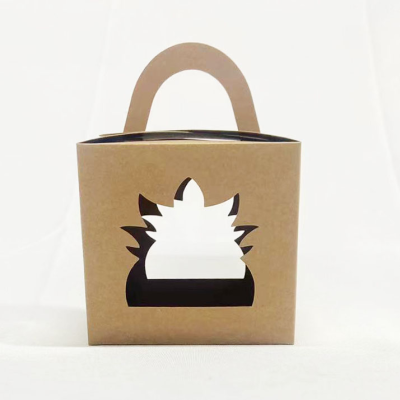
When sourcing recyclable kraft corrugated boxes, the primary focus must be on the material integrity and structural design that ensures both sustainability and functional performance. The core material for these products is typically paper, specifically utilizing corrugated paper or kraft paper, which offers a robust balance between strength and environmental friendliness. Buyers should verify that the material specification explicitly states "Paper" or "Recycled Material" to align with sustainability goals. The corrugated structure provides the necessary cushioning and stacking strength, making it suitable for a wide array of industries ranging from food and electronics to cosmetics and apparel.
Structural specifications vary significantly based on the intended application. While some products are designed as "Small" or "Middle" size units, others offer fully "Customized" dimensions to fit unique inventory needs. The shape is predominantly square, though the flexibility of the material allows for various configurations. A critical observation in the market is the weight variance; some units are lightweight, weighing less than 0.5 kg, while others are heavy-duty, exceeding 1.5 kg. This distinction is vital for logistics planning, as heavier boxes may require reinforced palletization. The model numbers associated with these products, such as FP1236, ED-40, or FP4515, often indicate specific design iterations, but buyers should prioritize the physical attributes over the model code when defining requirements.
Technical Features and Surface Handling Capabilities
The technical functionality of a recyclable kraft corrugated box extends beyond its basic structure to include surface handling and printing capabilities. Offset printing is the standard process observed for these products, allowing for high-quality branding and information display. This process is applicable to both single-sided and two-sided printing pages, providing versatility for marketing messages or logistical instructions. The ability to apply a logo is a common feature, with options for "With Logo Printing" or fully customized branding.
Packaging configurations are another critical technical aspect. While the product itself is a box, the shipping unit often involves "Cartons" or "Master Cartons" packed on "Pallets." Some suppliers offer "Customized Support" for packing, ensuring that the boxes are protected during transit. The "Double Door" feature is a specific design element found in certain models, offering enhanced access or security for the contents. Furthermore, the standard for the product itself can range from generic "Paper" standards to specific "Corrugated board" standards. Buyers must ensure that the surface handling and printing methods align with their brand guidelines, as the ink adhesion and color fidelity on kraft paper can differ from coated papers.
Compliance, Certification, and Environmental Standards
In the realm of sustainable packaging, compliance and certification are non-negotiable for many B2B buyers. The supply chain for recyclable boxes often demands verification of environmental and social management systems. Available data indicates that reputable suppliers may hold certifications such as ISO 91001/14001 and BSCI. These certifications suggest adherence to quality management, environmental protection, and social responsibility standards, which are crucial for companies aiming to meet their own corporate sustainability targets.
However, buyers must exercise caution and verify these claims directly with the supplier, as certification status can vary between production batches or specific factory lines. The term "Recycled Material" implies a commitment to circular economy principles, but the specific percentage of recycled content is not universally standardized in the provided context. Therefore, procurement teams should request detailed material composition reports to confirm the recyclability claims. Additionally, the "Customized Support" for standards implies that suppliers can adapt their production to meet specific regional or industry regulatory requirements. It is essential to confirm that the "Corrugated board" standard used meets the local regulations for food contact or general transport safety, especially when the box is intended for "Food" or "Health Care Products."
Cost Drivers and Procurement Economics
The economics of sourcing recyclable kraft corrugated boxes are influenced by several dynamic factors, including material costs, customization levels, and order volume. The observed price range in the market spans from $0.04 to $2.99 per unit, reflecting the vast difference between simple, small-scale packaging and complex, large-scale industrial solutions. This wide variance is primarily driven by the "Weight" of the box, the "Size" specifications, and the extent of "Customization" required.
Minimum Order Quantity (MOQ) is another significant cost driver. The market data shows an MOQ range from 10 to 20,000 units. Lower MOQs, such as 10 units, are typically associated with prototype runs or highly customized designs, often commanding a higher unit price. Conversely, bulk orders approaching 20,000 units benefit from economies of scale, reducing the per-unit cost. The "Lead Time" is also a factor in total cost of ownership; a standard lead time of 7 working days after payment and artwork confirmation allows for relatively quick turnaround, but rush orders may incur additional premiums. Buyers should also consider the "Pallet" packing efficiency; optimizing the number of boxes per pallet can significantly reduce shipping costs, especially for international procurement from origins like Shanghai, China.
Typical Applications and Industry Use Cases
Recyclable kraft corrugated boxes are remarkably versatile, serving a broad spectrum of industries. The observed usage data highlights applications in "Food," "Electronic Products," "Cosmetics," "Jewelry," "Garment & Shoes," "Health Care Products," "Arts and Crafts," and "Greeting Cards." This diversity underscores the adaptability of the material to different product sensitivities and branding needs.
For the food industry, the box must often meet specific hygiene standards, and the "Food" application tag suggests suitability for direct or indirect contact. In the electronics sector, the "Corrugated Paper" provides essential shock absorption for sensitive components. The cosmetic and jewelry industries often utilize these boxes for their premium aesthetic, leveraging the "Offset Printing" capability to create high-end unboxing experiences. Similarly, the "Health Care Products" sector relies on the structural integrity of the box to protect medical supplies during transport. The "Gifts" and "Greeting Cards" markets value the "Customized" nature of the box, allowing for unique shapes and branding that enhance the gifting experience. Buyers should match the specific "Application" requirements with the box's weight and size capabilities to ensure optimal performance.
Supplier Evaluation and Quality Control Protocols
Evaluating suppliers for recyclable kraft corrugated boxes requires a rigorous assessment of their capabilities and quality control measures. Key indicators of a reliable supplier include the ability to offer "OEM" (Original Equipment Manufacturer) services and "Customized" orders. The presence of "Shanghai, China" as a production origin suggests access to a mature manufacturing ecosystem, but buyers should verify the specific factory location and capacity.
Quality control should focus on the consistency of the "Corrugated board" standard and the precision of the "Offset Printing." Buyers should request samples to verify the "Weight" consistency and the durability of the "Square" or other shapes. The "Double Door" feature, if required, should be tested for ease of use and structural soundness. Furthermore, the "Service" aspect, including responsiveness to "Artwork Conf" and payment terms, is critical. A supplier offering "High Quality and Competitive Price" as a stated advantage should be validated through third-party audits or references. The "Certification" status, such as ISO and BSCI, should be current and verifiable. Buyers must also ensure that the "Pallet" packing method prevents damage during transit, as the "Cartons" or "Master Carton" packaging must be robust enough to protect the individual boxes.
Long-Term Procurement and Sustainability Strategy
For long-term success, procurement strategies for recyclable kraft corrugated boxes must prioritize sustainability and supply chain resilience. The shift towards "Recycled Material" is not just a trend but a strategic necessity for many global brands. Buyers should establish long-term contracts with suppliers who demonstrate a commitment to environmental standards, ensuring a steady supply of eco-friendly packaging. The "Customized Support" for standards and packing allows for continuous improvement and adaptation to changing market demands.
Additionally, the "Lead Time" of 7 working days offers a baseline for inventory planning, but buyers should negotiate flexible terms to accommodate demand fluctuations. The ability to produce "Small," "Middle," and "Customized" sizes ensures that the packaging can evolve with the product line. By focusing on suppliers with verified certifications and a track record of "High Quality," buyers can mitigate risks associated with supply chain disruptions. The ultimate goal is to create a procurement ecosystem that balances cost efficiency, environmental responsibility, and operational reliability, ensuring that the recyclable kraft corrugated boxes serve as a competitive advantage in the marketplace.
FAQs
What materials are used for recyclable kraft corrugated boxes?
These boxes are made from paper, specifically corrugated paper or recycled material. This composition ensures structural strength while supporting sustainability goals for various industries.
Which printing methods are available for custom branding?
Offset printing is the standard process used for surface handling and logo application. This method supports both single-sided and two-sided printing pages for high-quality branding.
Can suppliers provide customized box sizes and shapes?
Yes, customization is available for size, shape, and packing configurations. Buyers can request specific dimensions ranging from small to middle sizes or fully customized options to fit unique needs.
What certifications do these packaging suppliers typically hold?
Reputable suppliers may hold ISO 91001/14001 and BSCI certifications. These credentials verify adherence to quality management, environmental protection, and social responsibility standards required by many buyers.
How long is the lead time for custom orders?
The standard lead time is 7 working days after payment and artwork confirmation. This timeline applies to customized orders and ensures a relatively quick turnaround for production.
What is the minimum order quantity for these boxes?
The minimum order quantity ranges from 10 to 20,000 units depending on the supplier. Lower MOQs suit prototypes while bulk orders benefit from economies of scale.
Where are these recyclable boxes primarily manufactured?
Production origins are located in China, with specific facilities in Shanghai. This location provides access to a mature manufacturing ecosystem for sourcing these packaging solutions.